
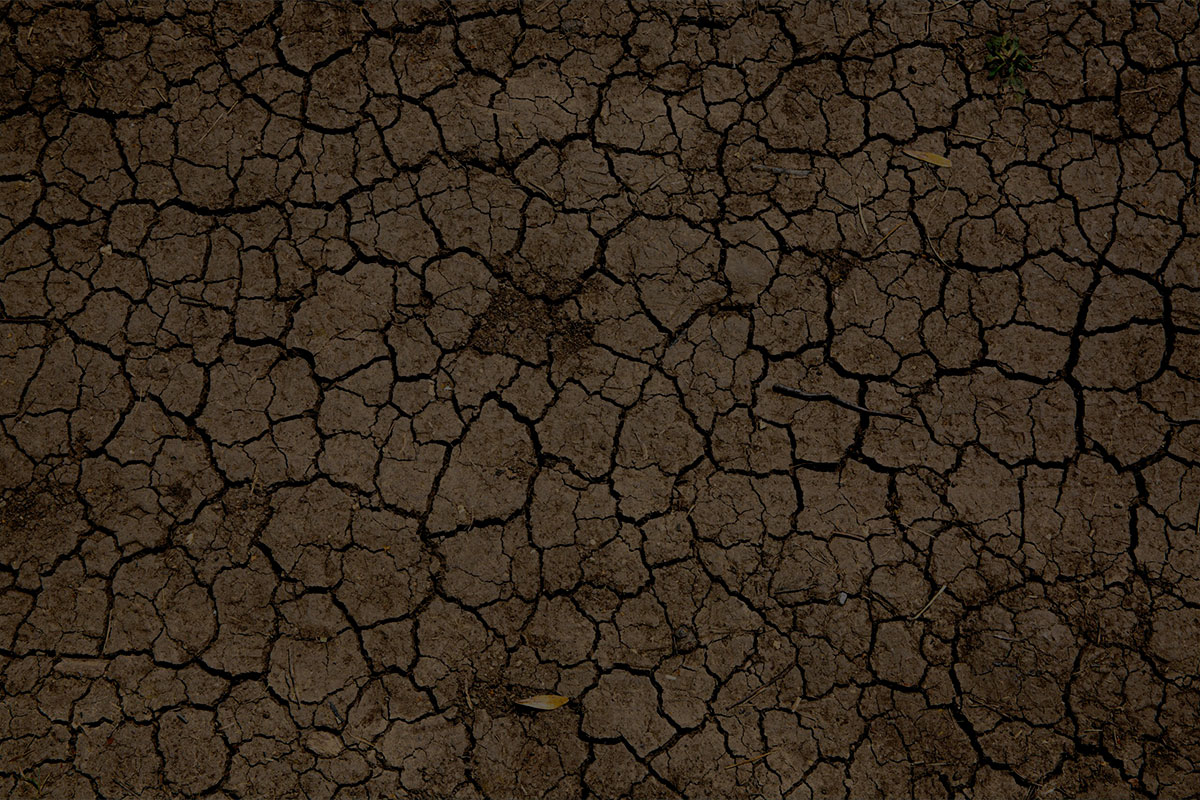
Climate change is an undeniable fact that affects ecosystems and the environment in which we live. And although we may not realize, it also has direct effects on our health. It influences social and environmental aspects that are decisive for our health. For example, clean air, drinking water, sufficient food and safe housing.
The World Health Organization predicts that between 2030 and 2050, climate change will cause an additional 250,000 deaths each year, due to problems and diseases such as malnutrition, malaria, diarrhea and heat stress. In addition, the cost of direct damage to health is estimated to be between $2 billion and $4 billion by 2030.
More heat
Extreme air temperatures contribute directly to deaths from cardiovascular and respiratory diseases, especially among the elderly. Higher temperatures also lead to increased levels of ozone and other air contaminants.
More natural disasters
Rising sea levels and increasingly intense weather events will destroy homes, medical and other essential services.
Variability in rainfall is likely to affect freshwater supply, and shortages of freshwater may jeopardize hygiene and increase the risk of diseases.
How can we combat the adverse effects of climate change on our health?
Public outreach and awareness-raising to try to reduce emissions of carbon dioxide and other greenhouse gases into the atmosphere are essential. But they are not enough on their own.
In this context, investment in healthcare infrastructures and state-of-the-art medical equipment to ensure quality healthcare anywhere in the world is key.
The role of the healthcare sector in the fight against climate change
The healthcare sector has an important role to play in reducing greenhouse gas emissions. Investment must be made in the “greening” of healthcare facilities, with measures such as the use of solar panels, more energy-efficient equipment and better waste management systems. So far, only 0.5% of global multilateral climate finance has been allocated to healthcare projects.
Health facilities must also be safe and remain functional during and shortly after disasters. In the last decade, an estimated 24 million people were left without access to healthcare for months due to infrastructure damage.
At NEXOR Medical we also want to be part of the solution by innovating and developing medical equipment to facilitate the daily work of health professionals, who are dedicated to saving lives.
Only in this way, with a determined and coordinated effort between institutions, private companies and citizens, we will be able to face the effects that climate change generates on our health.